King on a donkey
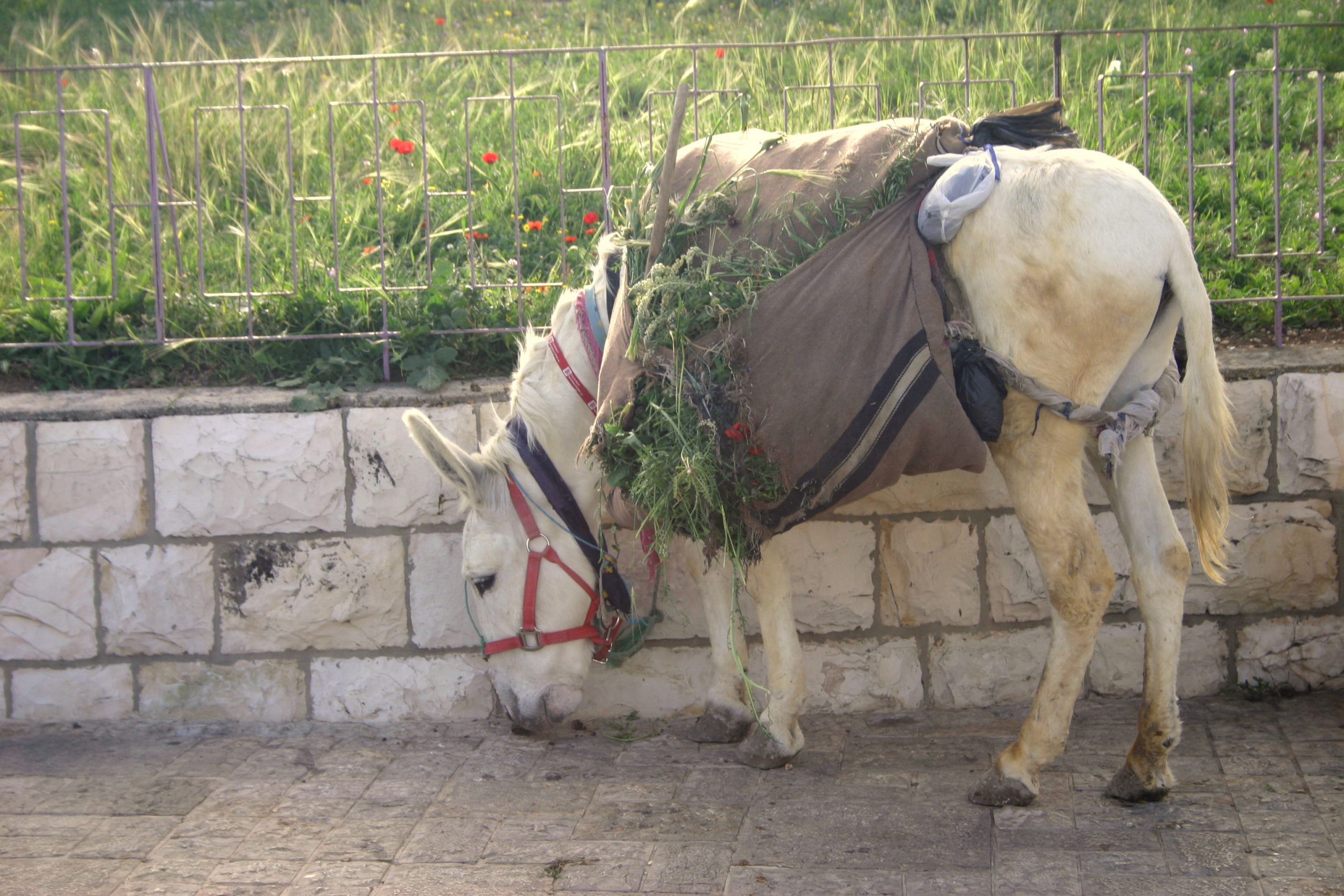
Behold, your King is coming to you, just and victorious. Humble - riding a donkey. (Zak 9, 9) Today we contemplate Jesus' triumphal entry into Jerusalem. Jesus, like a great victor in glory, enters the city. And this is understandable to us, because we know that he is the King of the universe who came to save us. It can be strange, however, that he rides on a donkey. Yes, it was a popular means of transport in those days, but if Jesus wanted to show people that he was a great King, he should use a horse that, for example, was ridden by important Romans who occupied Jerusalem at that time. So what did he want to show us by riding a donkey? Once again he wanted to say that yes, he is a King, but not as we imagine him to be. His kingdom is a reality alongside this world, or against human mentality. The donkey of the Lord Jesus is a clear message for us that we will find the Kingdom of God where there is simplicity and humility, where, humanly thinking, there is nothing attractive, spectacular, where there is ordinary everyday life and ordinary people. This is the taste of God and His kingdom, and so He saved us. The donkey is one of the many signs of "God's style". We are beginning the Holy Week, let us also look for such signs in the following days. Sr.M. Sybilla Kołtan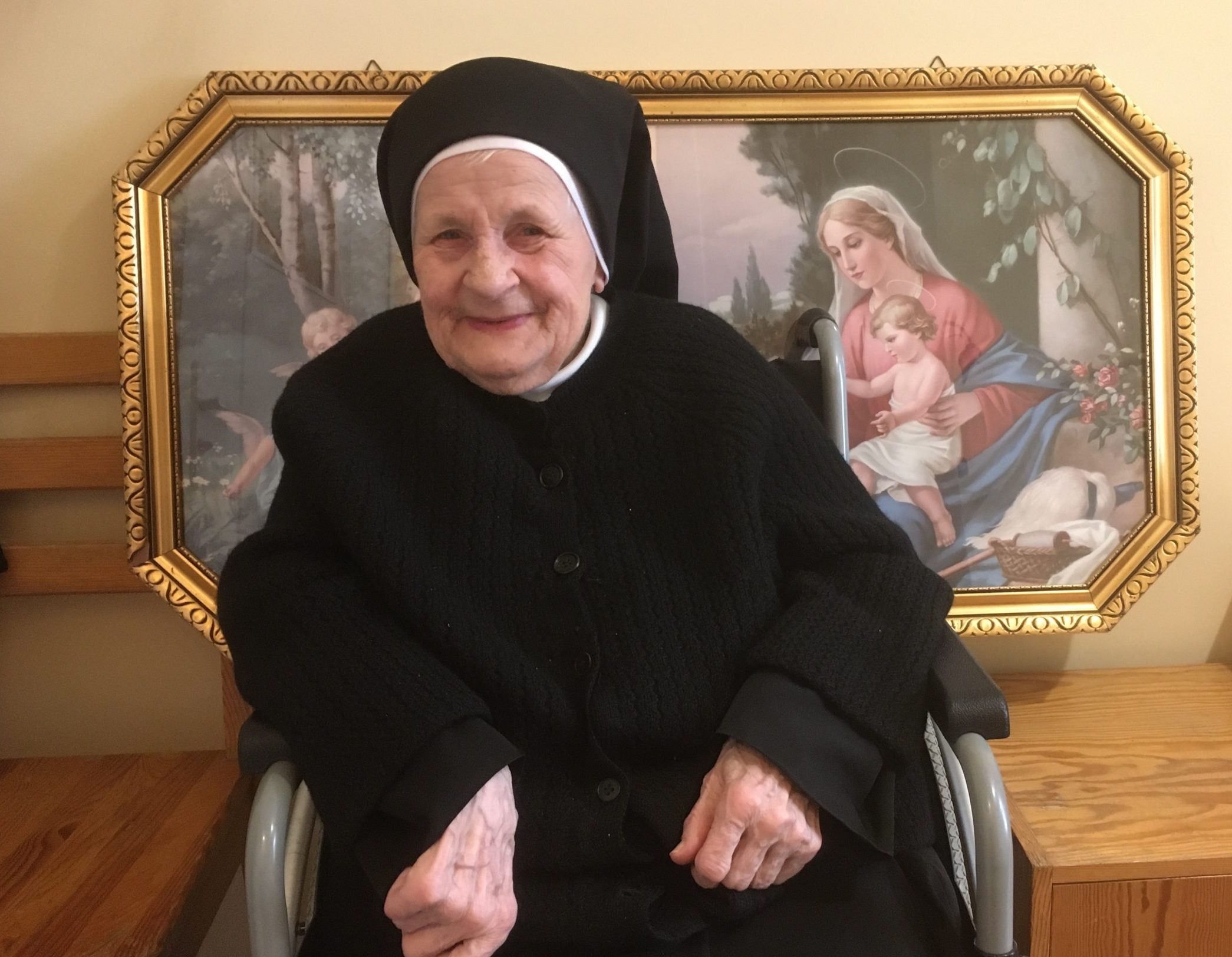
Born at our sisters
I was born in Berlin on September 12, 1937, at nine o'clock, on a Sunday. I am the only child. After the First World War, my parents emigrated from Poland, near Berlin, to the town of Burgwall. There we had a large shop that had everything: food, toys, bedding. I have always been happy to be there. I remember that the store was visited not only by Poles, but also by Jews, Russians and Germans. When I was 4, my father was shot. After this situation, my uncle took my mother and me to Poland, near Chojnice. We moved to Lipka (Złotów poviat), where I spent my later childhood and adolescence. When I was 8 my mother got married for the second time. As my parents did not want a flat in Lipka, we moved to Słupsk. I graduated from primary school there. As a teenager, I started working with my mother, cleaning catechetical rooms at the parish. I also earned extra money by cleaning the dentist's office and the rooms at the Canonesses. I went to Chojnice for a year, to a boarding house for girls, which was run by the Franciscan Sisters of the Passion. There were seventy girls there. There we gained knowledge in the field of good manners. The sisters taught us to behave properly at the table and in different places, we did various manual work, we learned to cook. Later I returned to my family home. From childhood, I wanted to become a nun. There were sisters in Słupsk, where I lived with my parents, but I did not want to go to any congregation that was close to my family home, but to go somewhere further. When I was about twenty, I found an address for our sisters in the "Catholic Guide" newspaper. Then I told my mother that I wanted to go to the monastery. My mother took this information very calmly, she even said: "When my cousin went to the convent, you can also go, she was an only child and you are an only child." It was evident that it was good news to my mother, so I decided to write a letter to the address I found. Mom read it, agreed to send it, and then saw an envelope with the address to which the letter was to be sent. After a moment of reflection, she said: "You are going to those sisters with whom I gave birth to you." I was surprised by what my mother said, I did not understand it and seeing my surprise, she told me what it was like when I was born: "There were Elizabethan Sisters not far from our house in Burgwall, and when I had labor pains, I went to see them because they had a delivery room. Unfortunately, due to the fact that there were no more places in the hospital, they refused to admit me, so I drove 50 kilometers further, all the way to Berlin. There I found a delivery room at the Sisters of Mary Immaculate. And that's where you came into the world with them. " And so I found out that I was born in Berlin to our sisters, whom I wanted to join as an adult girl. God guides us in amazing ways. * * * * My mother taught me to forgive, thank, apologize and pray, and not resent the other person. She repeated that she should always be reconciled, despite the fact that each of us is different. I have to always pray and forgive. This is what my mother taught me and I tried to practice this in my religious life, and I wish this for each of us in this Year of Unity in our Congregation. S.M. Kryspina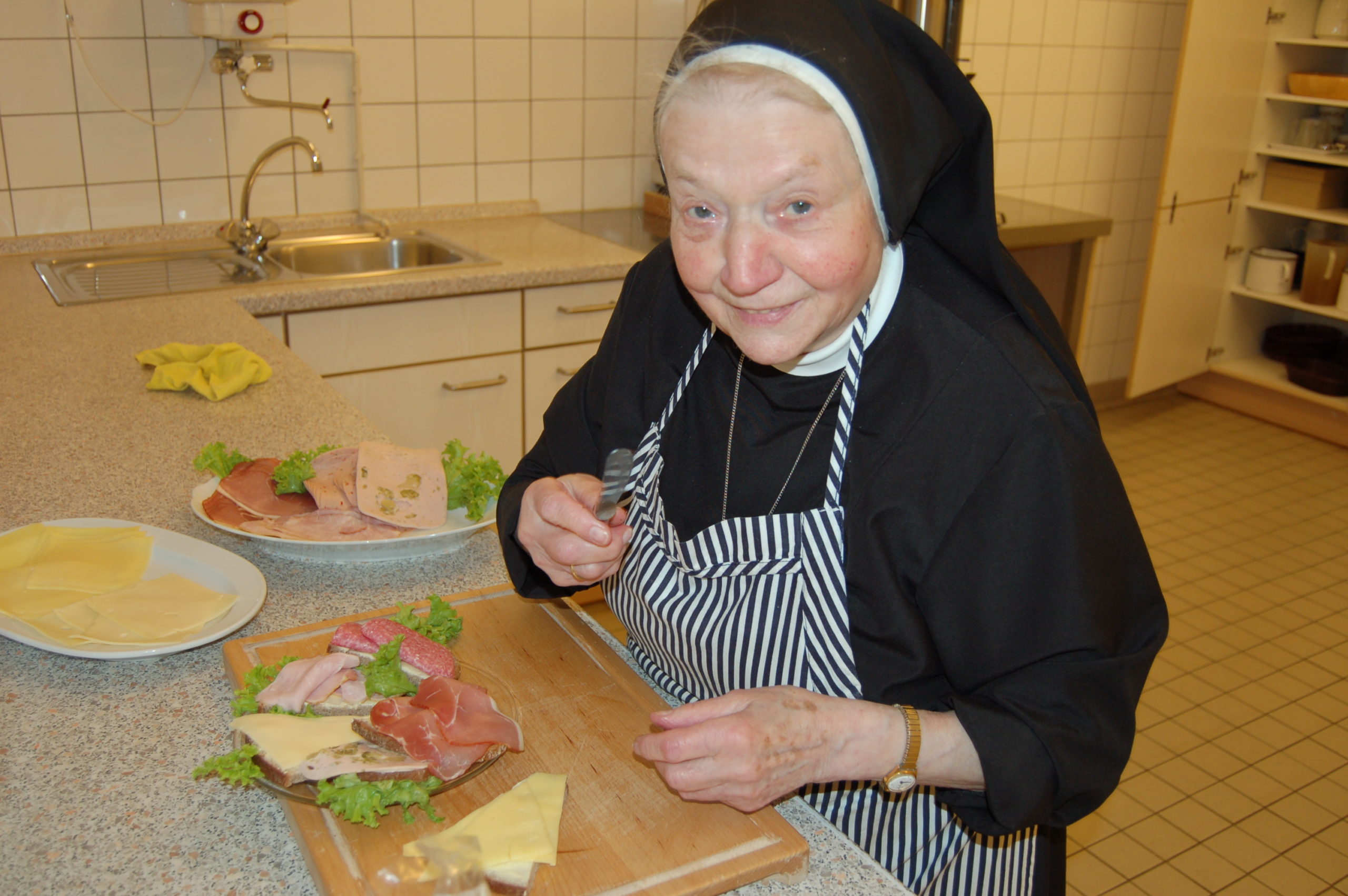
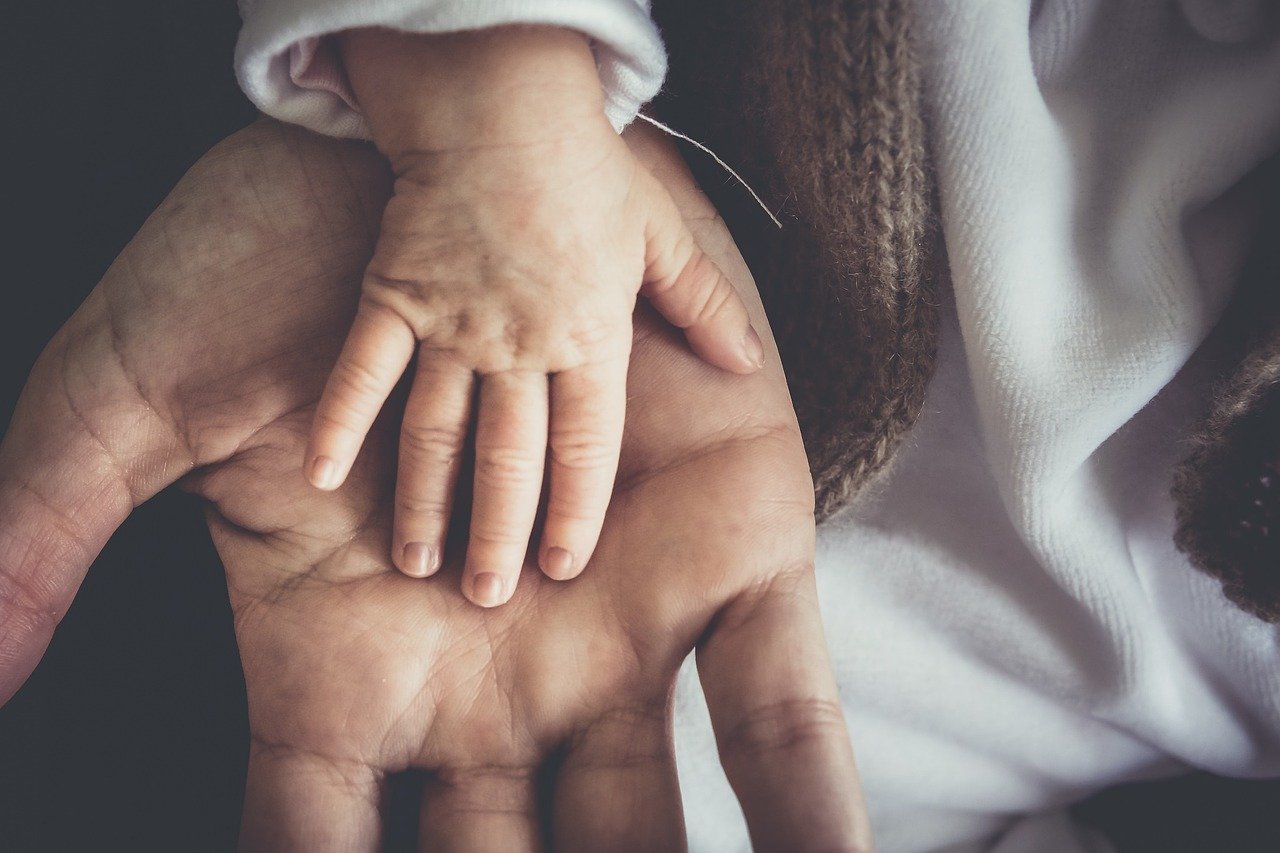
How to do good?
Two options before you: you can plan to do good, and you can be led by goodness to do good. The first is done with a plan and is programmed. The latter is guided by the goodness in you. The difference seems slight. But the truth is that there is a big difference. The former becomes a task in the to-do list and the latter is an expression of yourself. The former can be motivated by different reasons, the latter is more an outpouring of what is inside you. So do not program to do good but do good spontaneously and instantly. Watch out and you will see the difference. Understand the difference to make the difference. Don Giorgio