Does religious life make sense today?
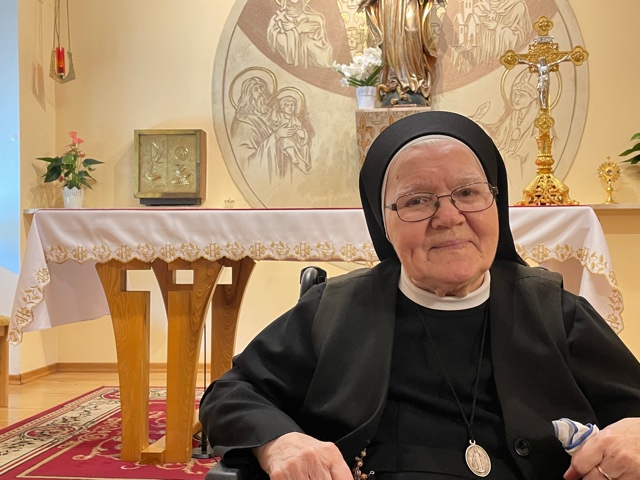
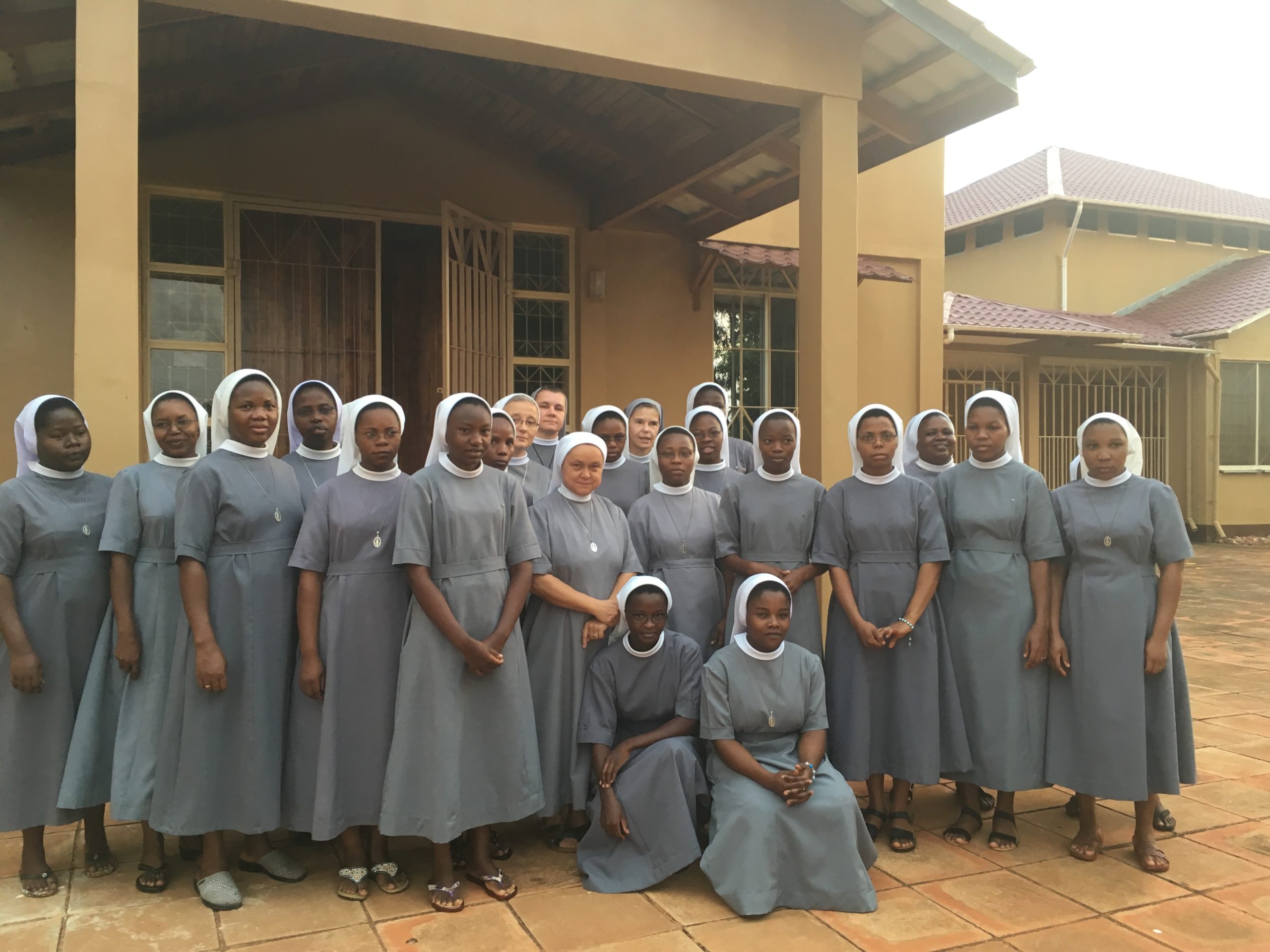
We live in times of enormous human possibilities. Even 50 years ago, the current lifestyle of people was unattainable for those times, even in the wildest dreams. Today, thanks to technical inventions and the ever-developing globalization in many areas of our lives, one has the impression that the world is at our fingertips, open to every human being, and what we will do with our lives depends only on our decision. In such a situation, choosing a simple, poor life in a monastery may seem completely absurd to contemporaries. For many people, religious life is losing its value today, becoming a kind of "religious folklore" or a medieval relic. Other roles of consecrated persons are perceived mainly in terms of social activity, which at present, with well-developed social institutions, does not play such importance as before. So, you get the impression that the time of religious orders is slowly coming to an end. In such thinking, the fact of the decreasing number of vocations to consecrated life in Europe can also confirm. However, are we really dealing with a crisis of religious life today, which has become obsolete in the modern world, or is there a world around us in which basic and natural values, such as faith in God, love as a gift of self, truth, goodness and beauty? began to be a misunderstanding? There is no doubt that in today's world, spirituality has become one of the most stunted areas of life for many Christians. On the one hand, the weakening of faith, and on the other hand, the more and more felt, though perhaps not realized, desire of God the Creator - this is the drama of contemporary man. The witness of consecrated life has never been so necessary in history as it is today. It does not lose its sense, but it is much more difficult, because it is to fulfill its role in a culture that has chosen individualism as its hallmark. Consecrated life as a path of service, love, self-giving for the sake of often neglected, difficult and needy people stands in complete opposition to today's mentality. The essence of the vocation to consecrated life is not the activity, but the identity of the consecrated person. A vocation to religious life is a vocation to a unique bond with Christ that cannot become obsolete. Religious community is to show the passion of life for God - this is its task in the world. Of course, this does not mean that religious life would be the best path for all people. However, this life, which some Christians choose by God's grace, helps others not to get lost in the variety of ways and offers that exist in the modern world. Consecrated life should convince you that it is God who gives the experience of happiness that the world seeks and cannot find anywhere else. Money, power, or feelings will not give it unless it is integrated into the experience of faith. It is God who is the Lord of everything, it is up to us to fulfill the task entrusted to us. S.M. Sybilla Kołtan
Poverty
Years back I gave a keynote speech on the subject of "Evangelical Council - Poverty" in one chapter. Since the evangelical counsels are essential basis of our spiritual life, I hope to be able to give one or the other an impulse or a help for their own spiritual life: All three evangelical counsels - and in this case especially poverty - are not an end in themselves, but are an expression of the "life in abundance" promised in the New Testament (Joh. 10,10). This means that, as Sr. Zoe Marie Isenring writes in her book “The Woman in Apostolic Religious Congregations”, they should be “a means to be more and not less human”. This sounded provocative to me at first and raised a few questions:- Material poverty as such is not a value for me to strive for, but an injustice that we are to remedy on God's behalf. God wants abundance for all people, also overcoming poverty. Since we cannot change these injustices with violence - i.e. new injustice - this aspect of poverty obliges us to a simple and undemanding way of life, to a responsible handling of property and becomes a duty of sharing out of solidarity with people, because that is what they do the essentials are missing. Understood in this way, poverty becomes a means of being more human for the community of people - the means of a more just world. Let us ask ourselves as individuals and as a community:
- Poverty always has to do with renunciation. Conscious and free renunciation are inseparable from poverty. Where this aspect is missing, the vow becomes an empty phrase and our life becomes implausible. But poverty must not be reduced to just doing without. We are created as free and beloved daughters of God and God has given us the things of this world for use. We can use them with joy and responsibility. The vow of poverty does not release me and each of us from our responsibility for our own lives. The superior is not responsible for my life and also not for the fact that I did not get so many things in life or had to do without them! I was created by God in freedom and willed as a free person. Also and especially as a religious. Only when I see myself as loved and wanted and can accept the things of this world as gifts, am I able to let go of myself and everything, to continue to give and to do without. Let us ask ourselves as individuals and as a community:
- The vow of poverty only has a meaning and value if it becomes not just an external way of life but an internal attitude. Only when I am not attached to the things of this world am I truly free to follow Christ. But that then confronts me with the question: What does my heart depend on? What do I trust, do I really trust this God or do I have to take care of myself? This is probably the most essential, but also the most difficult aspect of the vow of poverty. Only those who are poor in this sense are always free for God's call and can follow him - without obstructing marching baggage. This is not only about material things, but also, for example, positions in the community, at work or in personal life that you have worked for, but which can quickly become wealth. Let us ask ourselves as individuals and as a community:
The key to collaboration
The key to collaboration is not always the understanding of everything. The key to collaboration with the Grace of God or with the good will of others is your heart and the longing of your heart to love and to contribute. It is desirable that you know everything but your obstinacy to know everything can ruin everything. Because in every situation there are lots of know and unknown factors present, some you can know, and you can never know. So, both your craving to know everything or the posturing that you know everything will ruin the web of collaboration and interaction. Grow in trust by giving space to unknow factors in each situation and enjoy the beauty of life. Don Giorgio