Lovely language

Lovely language

I would like to share my travel experience during epidemic season! After this huge crisis of Covid-19 each and everything has been affected in the world; socially, economically and in religion has totally changed in terms of worshiping God. So in the middle of this hard time, I got a chance to travel to Europe for Congregation matters and also holiday. Un expectedly I travelled in three countries simultaneously due to the problem of my Visa for Italy which delayed due to the new travelling system. I started my journey from Tanzania on 15th October 2021 and first, I arrived in Poland, then Berlin and lastly in Rome/Italy. I can admit that, language, unity and love are the values which contributed to good communication with the Sisters I met in Europe, it was very fun and interesting, I did not know the Polish even German language but when I was there; I didn’t feel the countries difference, it was like; I was in Tanzania. I communicated with the Sisters through gestures especially when there was no one near to translate and we understood well each other and both were so happy. The Sisters were so interested to ask me many different questions concerning our Region and the life in general in Tanzania. I tried to answer and explaining all things they were interested to know about our Congregation life in our Region and they were so happy. One thing was so amazing for me is that; For example I used to communicate with Sister Luka in German by using Google translate in my phone to pass my gratitude message to the Sisters, then after sending the message was read and the feedback was good. In general, I enjoyed my time in Europe by learning many things from my fellow sisters in Poland, German and Rome. For me I can say that; every day is a day of learning and growing. Love and unity goes together and have a lot of power because through them we are always connected together regardless of our traditions, language and color.   Sr. M. Agnes Mwanajimba Region - Tanzania
Lovely language

Piękny język

Chciałabym podzielić się moimi doświadczeniami z podróży podczas sezonu epidemicznego! Po tym ogromnym kryzysie Covid-19 wszystko na świecie zostało dotknięte; społecznie, ekonomicznie i religijnie całkowicie zmieniło się w kwestii oddawania czci Bogu. Tak więc w środku tego ciężkiego czasu, otrzymałam szansę podróżowania do Europy w sprawach Zgromadzenia, a także na wakacje. Niespodziewanie podróżowałam w trzech krajach jednocześnie z powodu problemu z moją wizą do Włoch, która opóźniła się z powodu decyzji urzędowych. Swoją podróż z Tanzanii rozpoczęłam 15 października 2021 roku i najpierw dotarłam do Polski, potem do Berlina, a na koniec do Rzymu/Włoch. Mogę przyznać, że język, jedność i miłość są wartościami, które przyczyniły się do dobrej komunikacji z Siostrami, które spotkałam w Europie, było to bardzo zabawne i interesujące, nie znałam języka polskiego ani niemieckiego, ale kiedy tam byłam, nie czułam różnicy krajów, to było tak, jakbym była w Tanzanii. Porozumiewałam się z Siostrami za pomocą gestów, zwłaszcza gdy w pobliżu nie było nikogo, kto mógłby przetłumaczyć i rozumiałyśmy się dobrze i obie byłyśmy bardzo szczęśliwe. Siostry były tak zainteresowane, że zadawały mi wiele różnych pytań dotyczących naszego Regionu i ogólnie życia w Tanzanii. Starałam się odpowiadać i wyjaśniać wszystkie rzeczy, które chciały wiedzieć o życiu naszego Zgromadzenia w naszym Regionie i były bardzo szczęśliwe. Jedna rzecz była dla mnie niesamowita: na przykład komunikowałam się z Siostrą Luką po niemiecku używając tłumacza Google w moim telefonie, aby przekazać Siostrom moją wiadomość z podziękowaniem, a następnie po wysłaniu wiadomość została przeczytana i informacja zwrotna była dobra. Ogólnie rzecz biorąc, cieszyłam się moim czasem w Europie ucząc się wielu rzeczy od moich współsióstr w Polsce, w Niemczech i w Rzymie. Dla mnie mogę powiedzieć, że każdy dzień jest dniem uczenia się i wzrastania. Miłość i jedność idą razem i mają wielką moc, ponieważ przez nie zawsze jesteśmy połączone razem, niezależnie od naszych tradycji, języka i koloru skóry.   S.M. Agnes Mwanajimba Region - Tanzania
Geschenkte Einheit

Geschenkte Einheit

Erinnerungen an die deutsche Geschichte
Erinnern Sie sich noch? Die Besetzungen der deutschen Botschaften in Prag und Warschau 1989, die Öffnung der Grenze zwischen Österreich und Ungarn, die Montagsdemos in Leipzig und an anderen Orten, die erste Maueröffnung am 9. November 1989 und schließlich der Tag der Deutschen Einheit am 3. Oktober 1990. Es waren damals ereignisreiche und bewegte Wochen, die wir alle mit Spannung erlebt haben. Und viele Gefühle haben uns dabei begleitet: Sorge und große Angst, aber auch Hoffnung und Freude. Und als dann schließlich der Einigungsvertrag unterzeichnet war, haben nicht wenige auch die Hände gefaltet und Gott gedankt. Die deutsche Einheit war nicht nur ein Werk von Menschen, sondern wurde auch als Geschenk empfunden, als Geschenk von oben, von Gott.


Es gibt zwei Extrempositionen, die man mit diesem Thema „geschenkte Einheit“ verbinden könnte, und die ich hier kurz andeuten möchte.


Hände in den Schoß legen
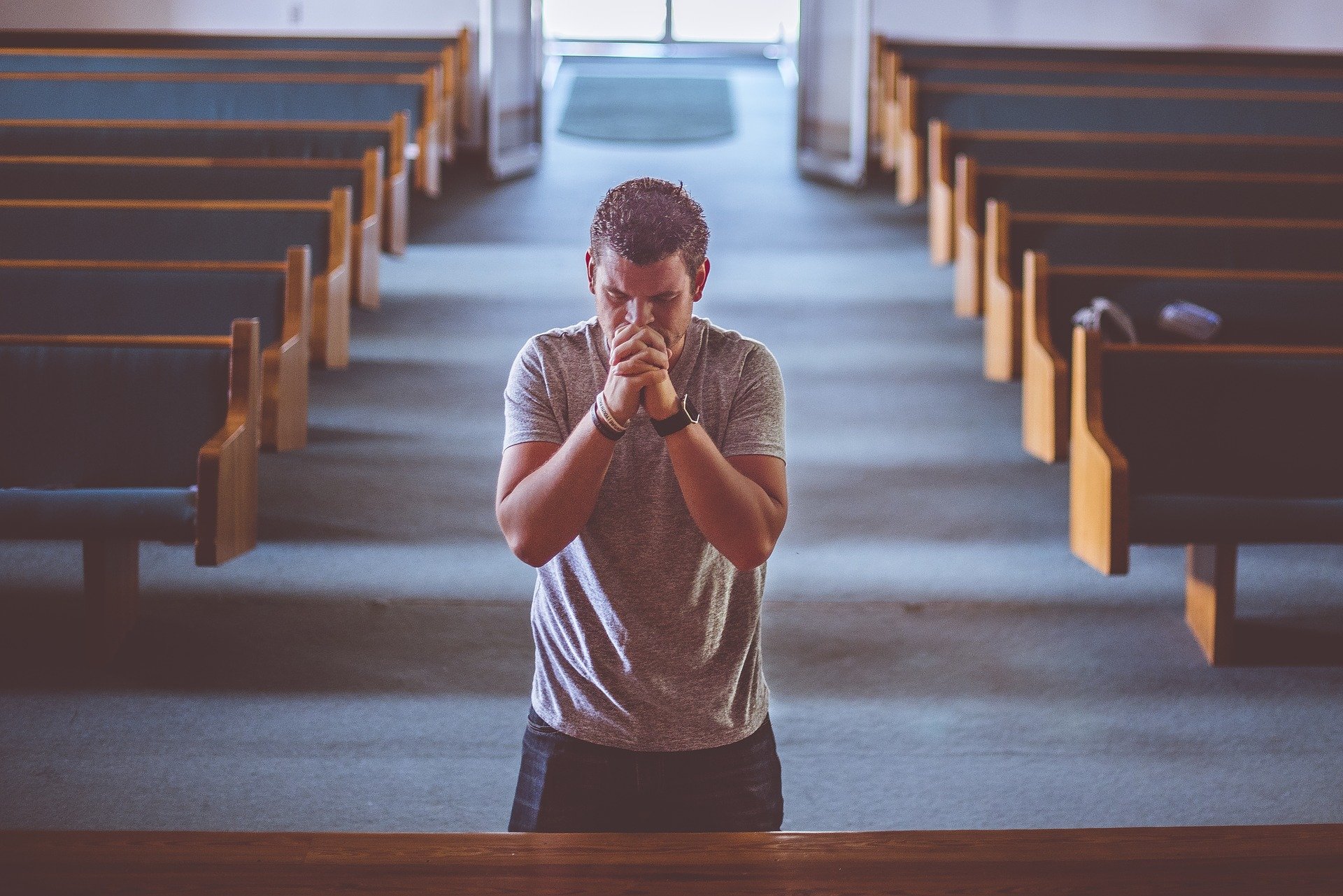
Man könnte zum einen meinen: Wenn die Einheit ein Geschenk ist, dann kann und brauche ich auch nichts zu machen. Dann kann ich meine Hände in den Schoß legen und abwarten, bis die Einheit von Gott kommt. Vor dieser Annahme möchte ich warnen. Ich bin sicher, dass die deutsche Einheit niemals zustande gekommen wäre ohne das Bemühen vieler auf beiden Seiten: Politiker, Wissenschaftler, Vertreter der Kirchen, Künstler und vieler einfacher Bürger.

Ferner denke ich dabei nicht nur an die deutsche Einheit. Auch die Christen sind getrennt in verschiedene Konfessionen. Und ich bin dankbar und froh, dass viele Christen nicht die Hände in den Schoß legen und warten, bis Gott etwas bewirkt, sondern dass sie mitwirken und aufeinander zugehen, auch wenn sie wissen, dass die Einheit letztlich ein Geschenk ist.


Verordnete oder erzwungene Einheit

Einheit kann man nicht machen und schon gar nicht anordnen. Das zeigt die jüngere Geschichte mehrerer europäischer Staaten. Die Sowjetunion ist in der Zeit von Glasnost und Peristroika schnell auseinandergefallen. Im ehemaligen Jugoslawien haben die 7 Republiken nach dem Tod Titos sofort ihre Unabhängigkeit erklärt. Und auch in so Ländern wie Großbritannien oder Spanien steht so manches Mal die Einheit auf dem Spiel. Eine verordnete oder gar erzwungene Einheit hat selten Bestand.

Die Wirklichkeit liegt also in der Mitte. Einheit ist ein Geschenk, aber ich kann viel dazu beitragen, dass dieses Geschenk auch Wirklichkeit werden und bleiben kann.


Wertschätzung als Nährboden der Einheit

Einheit braucht einen anderen Nährboden, damit sie wachsen kann. Dieser Nährboden ist die gegenseitige Wertschätzung. Auch dafür gibt es wunderbare Beispiele. Papst Paul VI. hat sich 1964 mit dem Patriarchen Athenagoras getroffen und so einen wichtigen Schritt der Annährung der orthodoxen und der katholischen Kirche getan. Und Willy Brand hat mit seinem Besuch in Warschau im Jahr 1970 sicher auch einen Meilenstein auf dem Weg zur deutschen Einheit gesetzt. Mit solchen Aktivitäten kann man die Einheit natürlich nicht machen. Mit Sicherheit aber kann man Voraussetzungen schaffen, auf denen die Einheit dann wachsen kann. Sich beschenken lassen und etwas dafür tun schließen sich nicht aus.


Verzicht und Entgegenkommen
Die gegenseitige Wertschätzung, die ich dem anderen entgegenbringe, ist sicher ein großartiges Geschenk, das viel zur Einheit beiträgt. Doch es gibt noch andere Geschenke, die mit Geben erst einmal nicht viel zu tun haben.

Schon als Kind habe ich erfahren, dass ich in der Familie auch auf manches verzichten und Kompromisse schließen musste. Das habe ich bei meinen Eltern erlebt, dann bei meinen Geschwistern und auch bei mir. Sicher war dieser Verzicht am Anfang nicht freiwillig, sondern eher erzwungenermaßen. Aber später durfte ich erleben, dass dieses Entgegenkommen und Verzichten auch dazu beigetragen hat, dass wir als Familie zusammengewachsen sind und heute noch in gutem Kontakt zueinander stehen.

Einen ganz aktuellen Stellenwert bekommen Entgegenkommen und Verzicht beim Zusammenwachsen unserer Pfarreien. Hier ist häufig ein Verzicht notwendig, z.B. bei der Wahl einer Kirche zur Pfarrkirche oder beim Neuverteilen finanzieller Ressourcen. Wenn da nur ängstlich geschaut wird, dass ich ja nicht zu kurz komme, kann Einheit niemals wachsen. Erst wenn mir gemeinsame Ganze wichtiger wird als die eigenen Interessen, kann die eine Pfarrei entstehen.


Dankbarkeit: die Einheit bewahren

Einen geschenkten Blumenstrauß stellt man ins Wasser, um die Blumen lange frisch zu halten. Mit einem geschenkten Fahrrad gehe ich sorgsam aus, um lange damit fahren zu können. Geschenke wollen gepflegt werden. Das ist sicher die schönste Form, um Geschenke wert zu schätzen und dem Geber der Geschenke zu danken. Das gilt für die deutsche Einheit, die uns vor 30 Jahren geschenkt wurde. Das gilt auch für die Einheit der Christen, um die wir uns weiterhin mühen. Und das gilt sicher auch für die Einheit in einem Konvent, einer Ordensgemeinschaft, einem Presbyterium, einer Gemeinde.


Prälat Dr. Stefan Dybowski


07.10.2021   Monatsvortrag Kloster St. Augustinus, Berlin-Lankwitz


Geschenkte Einheit

Gift unity

Memories of German history Do you remember? The occupations of the German embassies in Prague and Warsaw in 1989, the opening of the border between Austria and Hungary, the Monday demonstrations in Leipzig and other places, the first opening of the Wall on November 9, 1989 and finally the Day of German Unity on October 3, 1990. Back then, they were eventful and eventful weeks that we all experienced with excitement. And many feelings accompanied us: worry and great fear, but also hope and joy. And when the unification treaty was finally signed, quite a few also folded their hands and thanked God. German unity was not just the work of people, it was also felt as a gift, a gift from above, from God.   There are two extreme positions that could be associated with this topic of "gift unity", and which I would like to briefly suggest here.   Put your hands in your lap On the one hand, one might think: if unity is a gift, then I cannot and do not need to do anything. Then I can put my hands in my lap and wait for unity to come from God. I would like to warn against this assumption. I am sure that German unity would never have come about without the efforts of many on both sides: politicians, scientists, representatives of the churches, artists and many ordinary citizens. Furthermore, I am not only thinking of German unity. Christians are also divided into different denominations. And I am grateful and happy that many Christians do not put their hands in their laps and wait for God to make a difference, but rather that they cooperate and approach one another, even if they know that unity is ultimately a gift. Ordered or forced unity Unity cannot be made, let alone order. This is shown by the recent history of several European countries. The Soviet Union quickly fell apart during the time of glasnost and peristroika. In the former Yugoslavia, the 7 republics immediately declared their independence after Tito's death. And even in countries like Great Britain or Spain, unity is sometimes at stake. A prescribed or even enforced unit seldom lasts. So reality lies in the middle. Unity is a gift, but I can do a lot to ensure that this gift can become and remain a reality. Appreciation as a breeding ground for unity Unity needs another breeding ground for it to grow. This breeding ground is mutual respect. There are wonderful examples of this as well. Pope Paul VI met the Patriarch Athenagoras in 1964 and thus took an important step towards bringing the Orthodox and Catholic Churches closer together. And with his visit to Warsaw in 1970, Willy Brand certainly also set a milestone on the way to German unity. Of course, you cannot do the unity with such activities. With certainty, however, one can create the conditions on which the unity can then grow. Receiving gifts and doing something for them are not mutually exclusive.   Resignation and accommodating The mutual appreciation that I show for the other is certainly a great gift that contributes a lot to unity. But there are other gifts that don't have much to do with giving at first. Even as a child I learned that I had to forego some things in the family and make compromises. I experienced that with my parents, then with my siblings and also with me. In the beginning, this waiver was certainly not voluntary, but rather forced. But later I was able to experience that this kindness and renunciation also contributed to the fact that we grew together as a family and that we are still in good contact with one another today. Compromise and renunciation as our parishes grow together are of very topical importance. Here, a waiver is often necessary, e.g. when choosing a church as a parish church or when redistributing financial resources. If there is only anxiety that I don't miss out, unity can never grow. Only when the common whole becomes more important to me than my own interests can a parish arise. Gratitude: maintaining unity You put a bouquet of flowers in the water to keep the flowers fresh for a long time. I go out carefully with a given bike so that I can ride it for a long time. Gifts want to be cared for. This is certainly the most beautiful way of appreciating gifts and thanking the giver of the gifts. That applies to the German unity that was given to us 30 years ago. This also applies to the unity of Christians, which we continue to strive for. And that certainly also applies to the unity in a convent, a religious community, a presbytery, a congregation. Prelate Dr. Stefan Dybowski 7th, October 2021 monthly lecture St. Augustinus Monastery, Berlin-Lankwitz
Geschenkte Einheit

Jedność podarowana jako prezent

Wspomnienia z niemieckiej historii Czy jeszcze pamiętasz? Okupacje niemieckich ambasad w Pradze i Warszawie w 1989 r., otwarcie granicy między Austrią a Węgrami, poniedziałkowe demonstracje w Lipsku i innych miejscach, pierwsze otwarcie muru 9 listopada 1989 r. i wreszcie Dzień Jedności Niemiec 3 października 1990 r. To były wtedy pełne wrażeń i emocji tygodnie, które wszyscy przeżywaliśmy z rozrzewnieniem. I wiele uczuć nam towarzyszyło: Zmartwienie i wielki strach, ale także nadzieja i radość. A kiedy Traktat Zjednoczeniowy został w końcu podpisany, wielu z nas złożyło ręce i dziękowało Bogu. Niemiecka jedność nie była tylko dziełem człowieka, ale była postrzegana jako dar, dar z góry, od Boga.   Istnieją dwa skrajne stanowiska, które można by powiązać z tematem "jedności jako daru" i chciałbym je tutaj pokrótce przybliżyć.   Ręce na kolanach Z jednej strony, można by pomyśleć: Jeśli jedność jest darem, to ja nie mogę i nie muszę nic robić. Wtedy mogę położyć ręce na kolanach i czekać, aż przyjdzie jedność od Boga. Chciałbym przestrzec przed takim założeniem. Jestem pewien, że jedność Niemiec nigdy nie powstałaby bez wysiłków wielu osób po obu stronach: Politycy, naukowcy, przedstawiciele kościołów, artyści i wielu zwykłych obywateli. Co więcej, nie myślę tylko o jedności Niemiec. Chrześcijanie są również podzieleni na różne denominacje. I jestem wdzięczny i szczęśliwy, że wielu chrześcijan nie siedzi z założonymi rękami i nie czeka, aż Bóg coś zrobi, ale współpracuje i zbliża się do siebie, chociaż wie, że jedność jest ostatecznie darem. Jedność nakazana lub wymuszona Jedności nie da się stworzyć, a już na pewno nie zamówić. Świadczy o tym niedawna historia kilku państw europejskich. Związek Radziecki szybko rozpadł się w erze głasnosti i pierestrojki. W byłej Jugosławii 7 republik ogłosiło swoją niepodległość zaraz po śmierci Tito. A w krajach takich jak Wielka Brytania czy Hiszpania, jedność jest również czasami zagrożona. Jedność, która jest narzucona lub nawet wymuszona, rzadko jest trwała. Tak więc rzeczywistość jest pośrodku. Jedność jest darem, ale ja mogę zrobić wiele, aby ten dar stał się i pozostał rzeczywistością. Docenianie jako podstawa jedności Jedność potrzebuje innego podłoża, aby się rozwijać. Tym podłożem jest wzajemne docenianie się. Są na to również wspaniałe przykłady. Papież Paweł VI spotkał się z patriarchą Athenagorasem w 1964 r. i w ten sposób uczynił ważny krok w kierunku zbliżenia Kościołów prawosławnego i katolickiego. A wizyta Willy'ego Branda w Warszawie w 1970 roku była z pewnością także kamieniem milowym na drodze do niemieckiej jedności. Oczywiście jedności nie da się osiągnąć poprzez takie działania. Ale z pewnością można stworzyć warunki, na których jedność może wzrastać. Pozwalanie sobie na bycie błogosławionym i robienie czegoś dla tego błogosławieństwa nie wykluczają się wzajemnie. Wyrzeczenie się i zakwaterowanie Wzajemna wdzięczność, którą okazuję sobie nawzajem, jest z pewnością wielkim darem, który wnosi wiele do jedności. Ale są też inne prezenty, które na początku nie mają wiele wspólnego z obdarowywaniem. Już jako dziecko doświadczyłem, że muszę się obejść bez pewnych rzeczy w rodzinie i iść na kompromis. Doświadczyłem tego z moimi rodzicami, potem z rodzeństwem, a także z samym sobą. Z pewnością to wyrzeczenie nie było na początku dobrowolne, ale raczej wymuszone. Ale później mogłem doświadczyć, że to ustępstwo i wyrzeczenie przyczyniło się również do tego, że zrastaliśmy się jako rodzina i do dziś mamy ze sobą dobry kontakt. Ustępstwo i wyrzeczenie nabierają bardzo aktualnego znaczenia we wspólnym wzrastaniu naszych parafii. Tutaj wyrzeczenie się jest często konieczne, np. przy wyborze kościoła jako kościoła parafialnego lub przy redystrybucji środków finansowych. Jeśli zależy nam tylko na tym, by nie dostać po łapach, to jedność nigdy nie będzie się rozwijać. Tylko wtedy, gdy wspólna całość stanie się dla mnie ważniejsza niż moje własne interesy, może powstać jedna parafia. Wdzięczność: zachowanie jedności Bukiet kwiatów podarowany w prezencie umieszcza się w wodzie, aby zachować świeżość kwiatów przez długi czas. Ostrożnie jeżdżę na rowerze, który dostałem w prezencie, aby móc na nim długo jeździć. Dary chcą być otoczone opieką. Jest to z pewnością najpiękniejszy sposób na docenienie prezentów i podziękowanie ich dawcy. Dotyczy to jedności Niemiec, która została nam dana 30 lat temu. Dotyczy to również jedności chrześcijan, do której wciąż dążymy. A już na pewno dotyczy to jedności w klasztorze, we wspólnocie zakonnej, w parafiach, w zgromadzeniach.   Ks. Prałat dr. Stefan Dybowski   07.10.2021   Konferencja dla sióstr na dzień skupienia w klasztorze St. Augustinus, Berlin-Lankwitz